


In brief
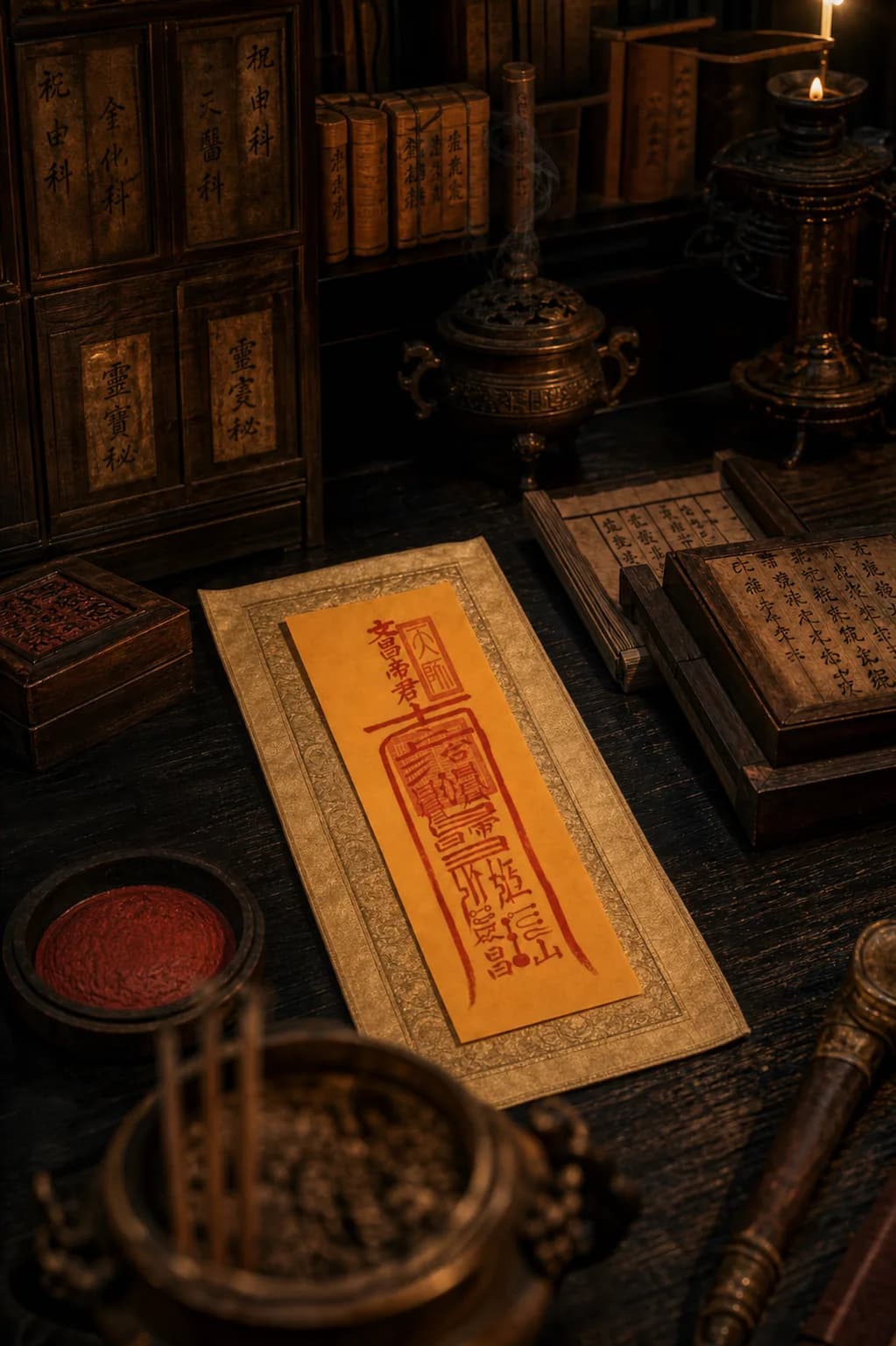
Wenchang and Kui Xing are associated with literature, examinations, and learning in Chinese cultural and religious traditions. Their imagery can make a thoughtful study gift, but no symbol can guarantee grades, admissions, or career outcomes.
Stop scrolling the pattern. Name the chapter.
A wisdom blessing for sharper focus, confident decisions, exams, interviews, and the success you are working toward. Symbolic only — no guaranteed outcomes. Guest checkout for ready-made seals.
Unnamed intentions scatter first. Keep one seal close.
Related piece
Scholar's Wisdom Talisman
A wisdom blessing for sharper focus, confident decisions, exams, interviews, and the success you are working toward.
View this pieceLiterary aspiration, not a shortcut
Historic examination culture gave literary deities and symbols a lasting place in schools, temples, and gifts. Today they can acknowledge the discipline and hope that surround study.
The respectful promise is modest: a keepsake can mark an intention and return someone to their preparation. It does not confer intelligence or decide a result.
A better study gift
Pair a study symbol with a note that recognizes effort, rest, and a concrete next step. This makes it appropriate for exams, graduation, certification, or a new role.
Keep a small piece in a notebook, desk drawer, laptop sleeve, or wallet as a practical prompt to return to the work.
Common questions
Who is Wenchang?
Wenchang is associated with literary culture and examinations in Chinese religious traditions.
Who is Kui Xing?
Kui Xing is another figure linked with scholarship and examination culture in Chinese tradition.
Can a study talisman guarantee an exam result?
No. It is a symbolic study reminder, not a guarantee of grades or admissions.
Is it appropriate for a graduation gift?
Yes, when the gift honors the recipient's effort and milestone.
Where should a student keep it?
A notebook, study space, wallet, or laptop sleeve is a practical choice.
What is the short answer about study symbolism?
Wenchang and Kui Xing are associated with literature, examinations, and learning in Chinese cultural and religious traditions. Their imagery can make a thoughtful study gift, but no symbol can guarantee grades, admissions, or career outcomes.
Questions from this topic
These short answers preserve the questions that shaped this guide. They are provided for cultural context and are not health, financial, legal, or ritual instructions.
Who are Wenchang and Kui Xing?
Wenchang and Kui Xing are associated with literary culture, examinations, and learning in Chinese traditions. A contemporary study gift can honor preparation and aspiration, but it cannot promise an exam, admission, or career result.
Sources and context
These references provide cultural or terminology context. They do not support claims that a symbolic object guarantees a personal outcome.
| Reference | Publisher | Why it is included |
|---|---|---|
| Daoism | The Metropolitan Museum of Art | Museum context for Daoist history and visual culture. |
| Daoism | Stanford Encyclopedia of Philosophy | Academic context for Daoist texts, traditions, and terminology. |
| Daoism | Encyclopaedia Britannica | Reference context for historical development and institutions. |