

In brief
Study and wisdom symbols may draw on literary culture, Wenchang devotion, examination history, and contemporary gifting. They can be a meaningful reminder of focus and preparation, but they cannot guarantee grades, admissions, promotions, or career outcomes.
Stop scrolling the pattern. Name the chapter.
A wisdom blessing for sharper focus, confident decisions, exams, interviews, and the success you are working toward. Symbolic only — no guaranteed outcomes. Guest checkout for ready-made seals.
Unnamed intentions scatter first. Keep one seal close.
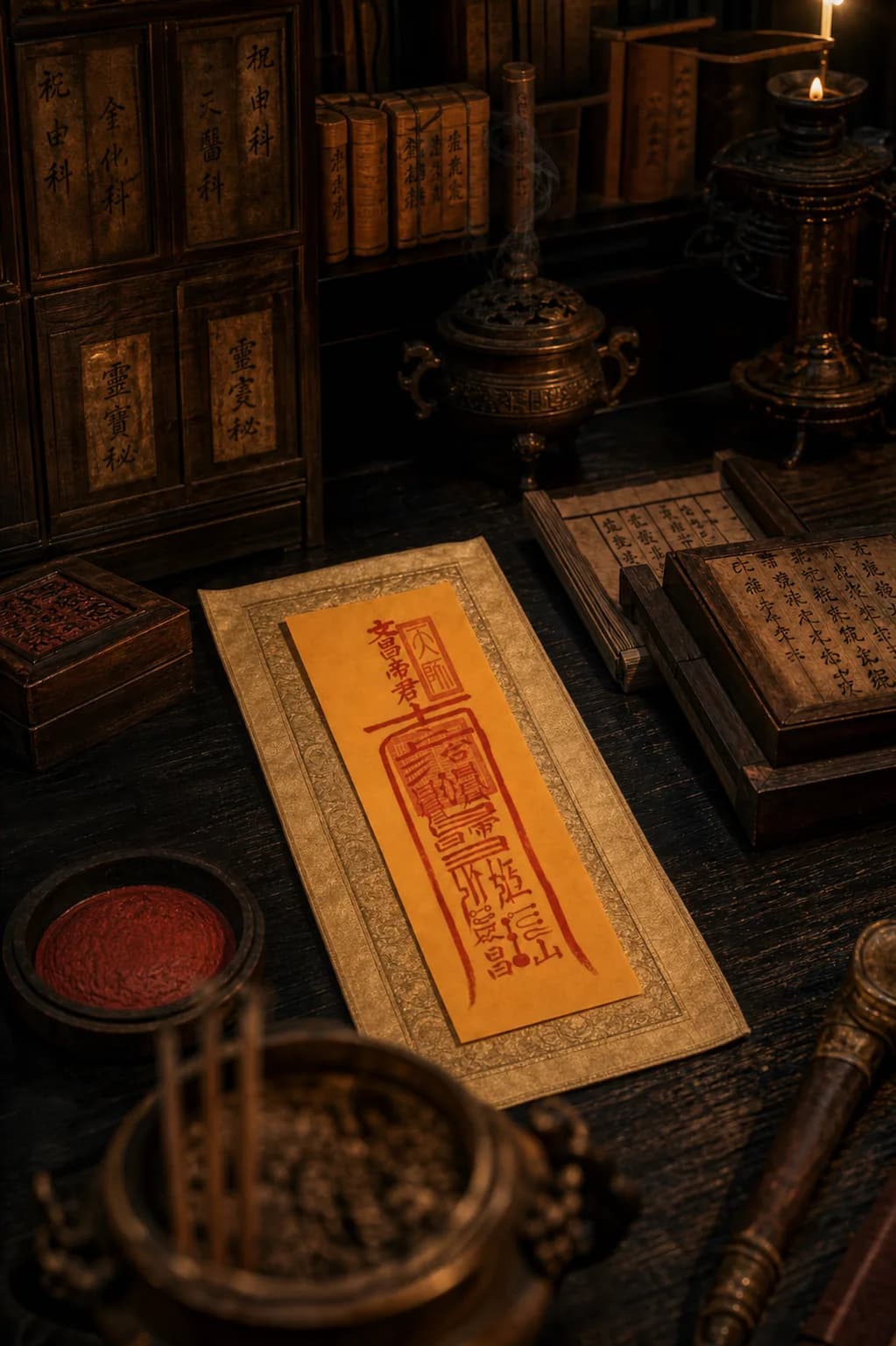
Related piece
Scholar's Wisdom Talisman
A wisdom blessing for sharper focus, confident decisions, exams, interviews, and the success you are working toward.
View this pieceLiterary culture and symbolic encouragement
Wenchang and related literary imagery appear in Chinese religious and educational culture. Their history should be described with care rather than simplified into a product that automatically creates intelligence or career success.
A study symbol is most useful as a gift that recognizes effort, discipline, curiosity, and a real milestone such as exams, graduation, or a new role.
Keep the promise grounded
The Scholar's Wisdom Talisman can sit in a notebook, wallet, laptop sleeve, or workspace as a cue to return to a study plan. It works alongside practice, rest, and preparation.
No symbolic item can provide a score, admission result, promotion, or professional decision. Honest language makes a gift more supportive, not less meaningful.
Common questions
What are wisdom symbols used for?
They can mark study, preparation, curiosity, professional growth, or a meaningful educational milestone.
Who is Wenchang?
Wenchang is an important figure associated with literary culture and examinations in Chinese religious traditions. Details and practice vary by source and community.
Can a study talisman guarantee exam results?
No. It can be a symbolic reminder of preparation and focus, not a guarantee of grades or admissions.
Is a wisdom talisman a good graduation gift?
Yes. It can be a thoughtful gift for exams, graduation, certification, or a new academic or professional chapter.
Where should a student keep it?
A notebook, desk, laptop sleeve, wallet, or study space can make the symbol easy to revisit.
What is the short answer about wisdom symbols?
Study and wisdom symbols may draw on literary culture, Wenchang devotion, examination history, and contemporary gifting. They can be a meaningful reminder of focus and preparation, but they cannot guarantee grades, admissions, promotions, or career outcomes.
Sources and context
These references provide cultural or terminology context. They do not support claims that a symbolic object guarantees a personal outcome.
| Reference | Publisher | Why it is included |
|---|---|---|
| Daoism | The Metropolitan Museum of Art | Museum context for Daoist history and visual culture. |
| Daoism | Stanford Encyclopedia of Philosophy | Academic context for Daoist texts, terms, and historical diversity. |
| Daoism | Encyclopaedia Britannica | Reference overview of institutional Daoist traditions and their development. |