

In brief
The Three Pure Ones are a high divine triad in many Daoist traditions, commonly named Yuqing, Shangqing, and Taiqing. Their theological meanings and representation vary by text, lineage, temple, and period, so a short guide should offer context rather than a universal ranking chart.
Constellation in. Intention named. Seal claimed.
Start with your stars or shop by force — protection, prosperity, connection — then claim a mark for the chapter already happening.
This week’s sealing window does not wait for perfect certainty.
A high triad in Daoist traditions
The Three Pure Ones are central in many Daoist theological systems and temple settings. Their names and associations are often translated differently, which is one reason to read a source in context.
They should not be reduced to decorative labels for a product or used to create fear, hierarchy, or a promise of supernatural access.
Respectful cultural reading
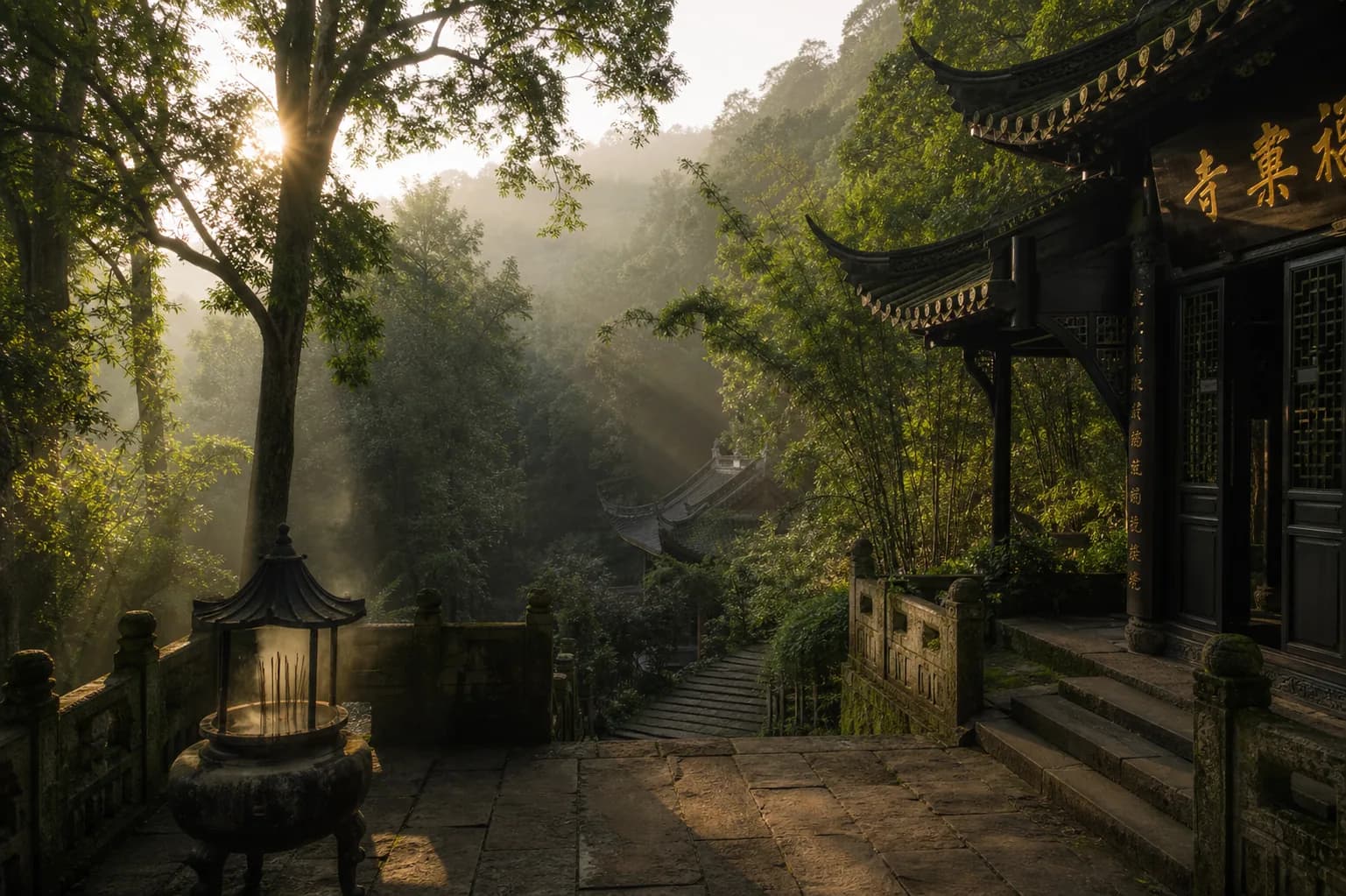
Images of deities belong to living traditions as well as art history. When viewing or describing them, distinguish between museum context, temple practice, and a contemporary design inspired by a wider visual language.
TalismanCove does not sell standard products as deity-endorsed, consecrated, or able to guarantee a personal outcome.
Common questions
Who are the Three Pure Ones?
They are a high divine triad in many Daoist traditions, commonly named Yuqing, Shangqing, and Taiqing.
Are the Three Pure Ones the same in every Daoist temple?
Their theological presentation and temple context can vary by source, lineage, place, and period.
Is Taiqing connected with Laozi?
Many Daoist traditions connect Taiqing with the deified Laozi, but descriptions should be read in their specific theological context.
Can a product claim the blessing of a deity?
Not without a real, specific, verifiable religious basis. TalismanCove does not make that claim for standard products.
Where can I learn more?
Use a museum or academic reference and, for living practice, the public guidance of a relevant Daoist community.
What is the short answer about daoist pantheon?
The Three Pure Ones are a high divine triad in many Daoist traditions, commonly named Yuqing, Shangqing, and Taiqing. Their theological meanings and representation vary by text, lineage, temple, and period, so a short guide should offer context rather than a universal ranking chart.
Questions from this topic
These short answers preserve the questions that shaped this guide. They are provided for cultural context and are not health, financial, legal, or ritual instructions.
Who are the Three Pure Ones in Daoism?
The Three Pure Ones are a high-ranking triad in many Daoist traditions. Their titles, iconography, and theological interpretation are best understood from tradition-specific sources rather than treated as a universal ranking chart.
Sources and context
These references provide cultural or terminology context. They do not support claims that a symbolic object guarantees a personal outcome.
| Reference | Publisher | Why it is included |
|---|---|---|
| Daoism | The Metropolitan Museum of Art | Museum context for Daoist history and visual culture. |
| Daoism | Stanford Encyclopedia of Philosophy | Academic context for Daoist texts, terms, and historical diversity. |
| Daoism | Encyclopaedia Britannica | Reference overview of institutional Daoist traditions and their development. |